


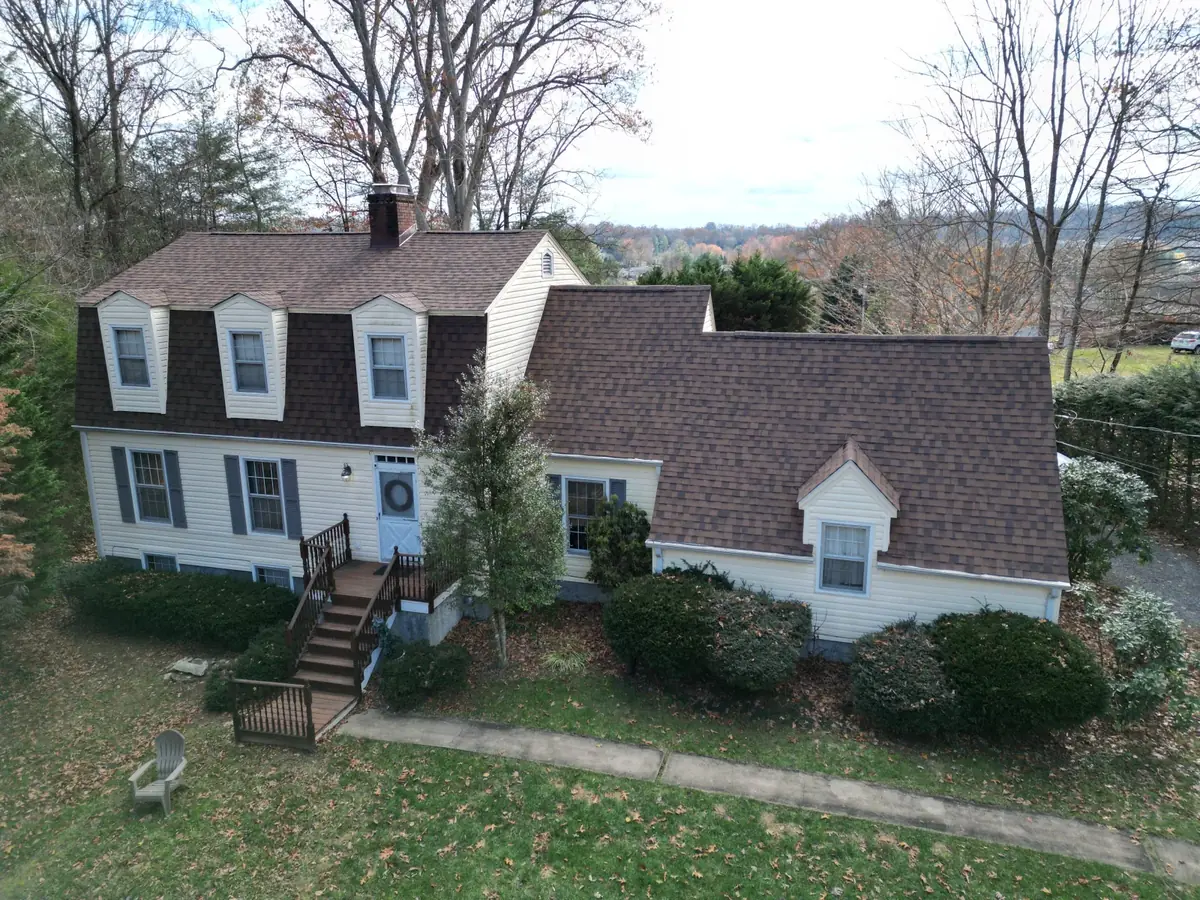
If you've ever owned a home long enough, you've gotten the call: there's water on a ceiling somewhere. The question that follows is almost always financial — what's this going to cost, and how do I plan for it?
Here's how we'd recommend thinking about a roof repair budget. Your specific situation could be much less than general market guidance suggests — every house is different.
Planning vs. reacting
There's a big difference between "we need to fix a flashing issue next month" and "there's a leak in the bedroom and we need someone here tomorrow."
Planned repair (you spotted something on an inspection, no active leak yet) tends to be much smaller. You're paying for the visible scope, no interior cleanup, and we have time to schedule.
Reactive repair (you have water inside the house) costs more because (a) there's usually interior damage to address too, and (b) we sometimes find rotted decking that wouldn't have rotted if we'd caught the leak six months earlier.
If you're past 20 years on the roof and dealing with leaks, the right budget conversation is about replacement, not repair. More on that below.
The surprise-cost reality
The honest truth about roof repairs: you can't always tell what's wrong until the shingles come off. We've quoted small jobs that grew because the underlying decking was rotted — and we've quoted larger ones that took less time than expected and came in below. Surprises run both ways.
What a homeowner can do to reduce surprise costs:
- Get the repair scoped before the leak gets worse. A two-week-old leak rarely has rotted decking. A six-month-old leak often does.
- Insist on photo documentation of "added scope." If a contractor calls mid-job to say "we need to replace decking" — fine, but ask for the photo. Honest contractors expect to send it.
- Avoid time-and-materials billing on a clear scope. A "we'll see what we find" hourly arrangement gives the contractor every incentive to find more. A fixed-price quote with documented exception clauses is much cleaner.
Financing for the bigger repairs
Most repair work doesn't need financing — it's small enough to put on a card or pay from savings. For larger repairs you can't comfortably absorb, a few options:
- Home equity line. Best terms if you have the equity and aren't in a rush. Approval takes weeks, not days — it fits planned work better than emergencies.
- 0% intro APR credit card. Useful if you can pay it off inside the intro window. Beyond that, the rate-snap is brutal.
- Financing through the job. We work with a couple of lending vendors and can put that option on the table when you want it — we just don't push it, because financing is a personal call and we're roofers, not loan officers. The terms come from the lender, in writing, and you can compare them against your own bank with no hard feelings either way. Details on our financing page.
Don't: drain retirement accounts for a routine roof repair. The 10% penalty plus tax usually doubles the effective cost.
When repair budgeting becomes replacement budgeting
If your roof is 20+ years old and you've had two or more repairs in the last three years, you're in the gray zone. A small third repair is probably still cheaper than replacement. A large third repair on a 22-year-old roof is throwing money at something that's going to fail completely inside five years.
The rule we use: if the repair cost is more than ~15% of a full replacement cost, and the roof is past 70% of its expected lifespan, we'll usually recommend the replacement.
A realistic 12-month roof budget
For a typical Tri-Cities home with a roof in the middle third of its life (years 8–17), a reasonable annual roof-maintenance reserve looks like:
- A small allowance for routine cleaning and gutter work
- A sinking fund for the eventual replacement — modest monthly amounts compound meaningfully over a decade
- An emergency fund for the unplanned mid-life repair
That's not a huge ask. It's the same logic as setting aside money for the HVAC system you know will eventually fail.
The Palisade approach: we write our repair estimates as plain-English fixed-price quotes. You'll know what it costs before we start, and you'll have it in writing.
Have questions about your own roof? Book a free on-site visit — every estimate is written in house. Get your estimate →