


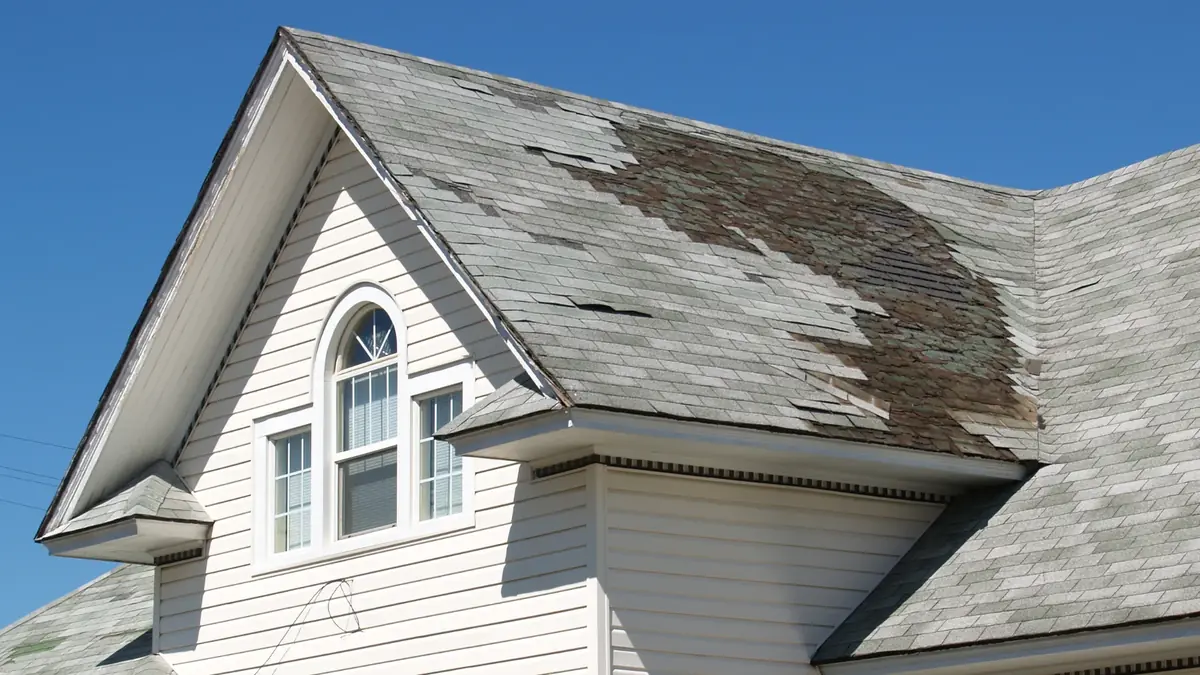
Kingsport gets a specific weather pattern that drives a specific set of roof problems. Storms tracking up the Tennessee Valley dump rain and occasionally hail on the area, and valley-corridor winds hit some blocks harder than others. After working roofs in Kingsport for several years, here's the local pattern, what it does to homes, and the practical hardening steps.
The Kingsport storm pattern
The two storm types we see most:
Spring frontal storms (March–May). Linear systems moving west-to-east. Heavy rain (1–3 inches), wind gusts 40–60 mph, occasional hail. Higher, open lots take more of the gust load; heavily-treed blocks trade wind exposure for falling-limb risk.
Summer pop-up convective storms (June–August). Small, fast, intense. Wind gusts can spike to 70+ mph in the worst cells, hail occasionally exceeds 1 inch. These are the storms that drop unexpected hail damage in pockets — your house gets hit, your neighbor two blocks over doesn't.
Hail-producing storms in Kingsport happen 2–4 times per decade with hailstones large enough to claim — say, ¾" or larger. Wind events with shingle damage happen most years.
Pre-storm hardening: what's actually worth doing
The most effective storm prevention is built into the roof itself. If your roof is older than ~15 years, you're carrying generation-old materials, and there's a limit to what hardening can accomplish. For newer or upcoming roofs:
1. Specify Class 4 impact-rated shingles when you replace. Atlas StormMaster Shake (Class 4) costs a meaningful upcharge over standard architectural shingles. Most Tennessee homeowner's insurance carriers offer premium discounts for Class 4 installs — check with your carrier for your specific discount. Beyond the discount, the shingles take 2"+ hail without claim-worthy damage.
2. Specify enhanced wind-rated underlayment and 6-nail patterns. Most asphalt shingles are warranted to 110 mph wind with proper nailing. 6-nail patterns (versus the 4-nail standard) increase the effective rating to 130 mph and cost the contractor about an hour of additional install time. Worth asking for.
3. Make sure ridge cap and starter strip are factory-matched. Ridge cap shingles get blown off more often than field shingles. Using the manufacturer's matched system extends the warranty coverage.
4. Specify ice-and-water shield in valleys and at penetrations. This is below-shingle protection at the highest-risk areas. Standard practice for us on any replacement; not always done by other contractors in the market.
For an existing roof, the hardening steps are limited:
- Trim trees back at least 6 feet from the roof. Branches scraping shingles in wind events accelerate granule loss.
- Verify gutters are securely fastened and slope correctly. Wind-driven rain compounds drainage problems.
- Check that all penetrations (vent boots, chimney flashing) are sealed. A storm-stressed home with marginal seals leaks; a properly maintained one usually doesn't.
Post-storm: the first hour
After any wind event with gusts above 40 mph, or any reported hail in your area, run this:
- Walk the perimeter, look up. From 10 feet out, scan the roof field, ridge, valleys, chimney area. Look for missing shingles, lifted areas, granule wash in patches.
- Walk the yard. Shingle pieces, branches that fell on the roof, anything that wasn't there before.
- Check the gutters at the downspout outlets. A heavy pile of granules at the downspout base is a strong sign that hail or wind has accelerated wear.
- Check the attic. Flashlight, ceiling, insulation. Any fresh water staining is a new leak you want to scope before it becomes worse.
- Photograph anything suspicious. Wide shots first, then close-ups. Insurance documentation starts here.
When to file an insurance claim, when not to
Three rules of thumb:
File a claim if: there's visible widespread damage (multiple slopes affected, more than 8 hail hits per 10×10 area, or any significant wind damage). The 8-hits threshold is what most adjusters use for hail in Tennessee.
Don't file a claim if: the damage is localized to a small section and the repair cost is under or close to your deductible. A claim that doesn't exceed deductible just goes on your record without benefit.
Get a professional opinion first either way. A free inspection from an established local contractor with no stake in inflating the claim can tell you whether the damage is genuinely claim-worthy. We do this kind of inspection daily and won't push a claim that shouldn't be filed.
What we'd avoid
After a hail event in Kingsport, "storm chaser" contractors usually arrive within 48 hours, going door-to-door. The pattern: they offer to handle the entire claim, take a 10–30% cut of the settlement, do the work with out-of-state crews unfamiliar with the area, and disappear when warranty issues come up later. Out-of-area operators come and go after storm events — which is exactly why it's worth asking where a contractor's license is registered and who'll answer the phone in year five.
If someone shows up unannounced after a storm, ask three questions: how long have they been in business locally, where is their business license registered (Tennessee, not out-of-state), and will they provide three references from completed jobs in Kingsport. If any answer is evasive, close the door.
The honest baseline
Most Kingsport homes will go years between weather events that cause roof damage. The few that do happen are usually manageable with the protocol above and a competent local contractor. The single best defense is a properly installed roof with the right materials — and if you're due for a replacement anyway, the Class 4 upgrade is the easiest decision you'll make.
Have questions about your own roof? Book a free on-site visit — every estimate is written in house. Get your estimate →